Virtual Reality for Nontechnical Skills
Across industries, like healthcare and aviation, virtual, augmented, and mixed reality have been used to assess and progress technical and procedural skills from emergency medicine to pilot training.



Across industries, like healthcare and aviation, virtual, augmented, and mixed reality have been used to assess and progress technical and procedural skills from emergency medicine to pilot training.
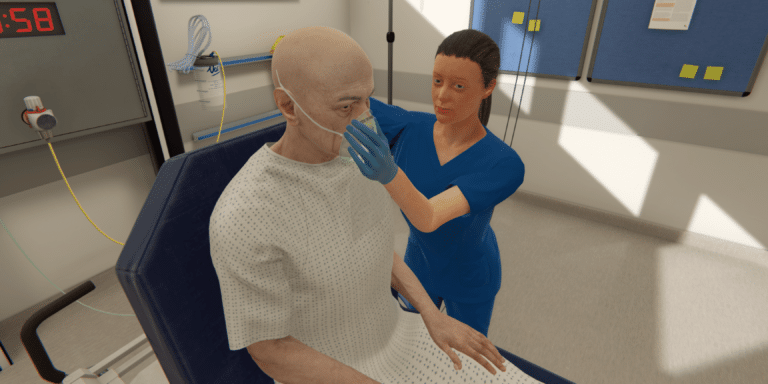
Healthcare professionals, like nurses, doctors, or occupational therapists, make an incredible number of decisions per day. In fact, nurses working in critical care actually make decisions almost every 30 seconds, adding up to about 960 decisions made in a single shift of work.

Healthcare is a fast-paced, patient-centered industry. To keep pace with advancements and increasing amounts of knowledge requires continuous learning, developing new skills, and maintaining foundational skills.
The advancement of technology has made waves in the healthcare sector, and as tech continues to improve rapidly, its uses and functions evolve, as well.
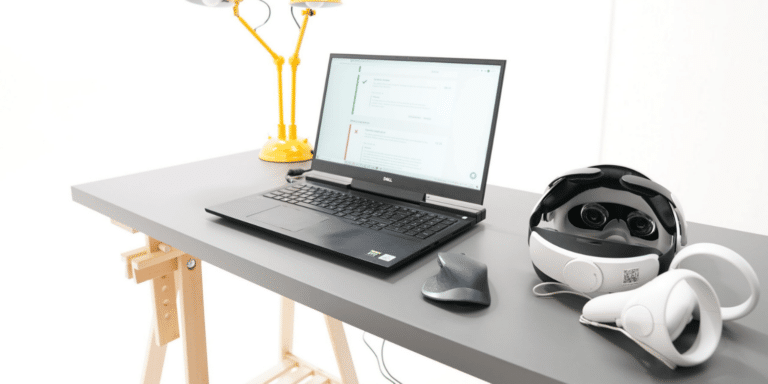
As of April 1st of this year, the Next Generation NCLEX (NGN) is in effect!
That means new item types, cascading questions, and greater emphasis on critical thinking and clinical decision making.
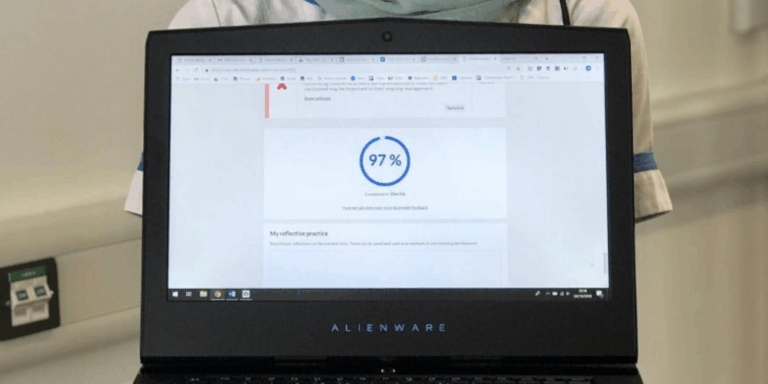
When you think about using virtual simulation, you likely think about scenarios that learners go through to reinforce important concepts and to practice clinical skills.
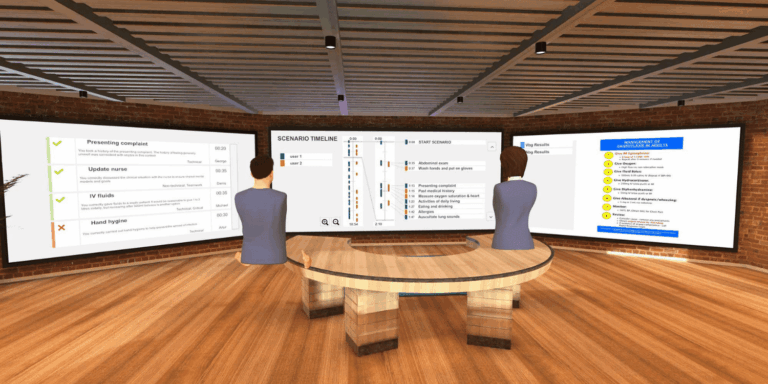
You’ve done the prep work, completed the simulation, and now it’s time for your debrief – one of the most critical components of the entire simulation experience.
Why is that?
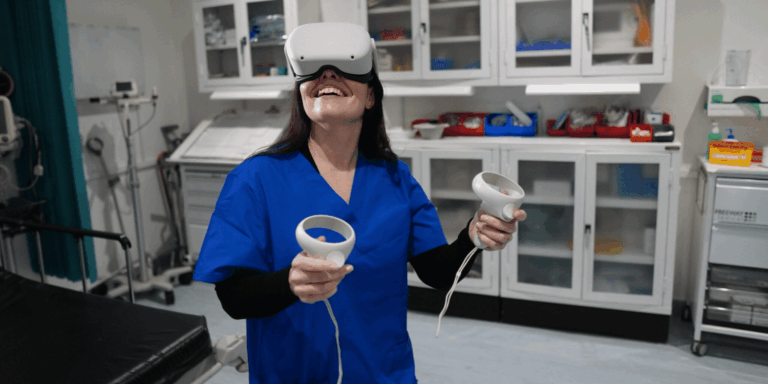
When you’re learning something new, it’s important to feel like you can freely make mistakes – and learn from them.
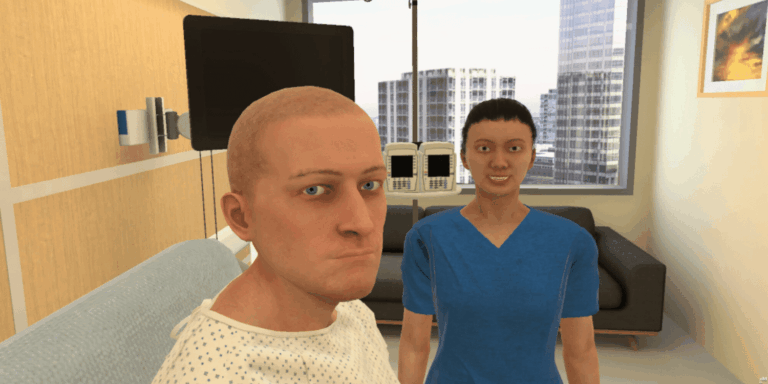
In the United States, recent data has shown concerning rates around readiness to practice. With 91% of assessed new-graduate nurses landing outside of the acceptable range of competency for novice nurses, it’s crucial that students preparing to graduate have realistic experiences that reflect the daily responsibilities of clinical practice.
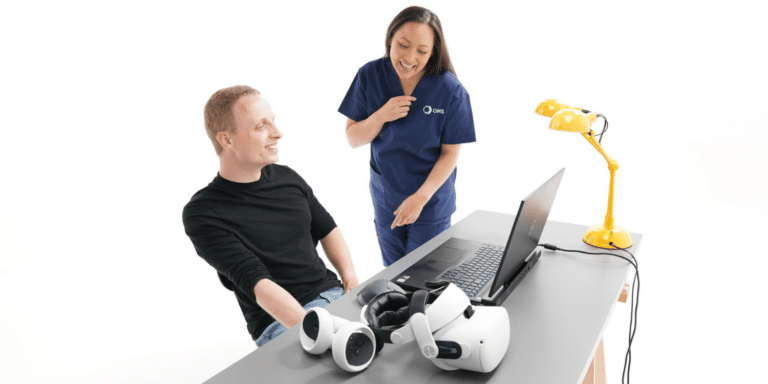
You’ve done your research, vetted your options, and chosen a VR partner, but what happens after you get started with OMS?

In the United States, nursing turnover rates average a staggering 27%, and the healthcare system is facing a nursing shortage of up to 450,000 by 2025.
End of content
End of content
Be the first to know what’s next. Sign up for our newsletter.
Sign up for Newsletter
To sign up, please enable Marketing cookies.

Oxford Medical Simulation Inc., 240 Elm Street, 2nd and 3rd Floor, Somerville, MA 02144
Oxford Medical Simulation Ltd. Registered in England and Wales (Company No. 10587122) // Registered office: 201 Borough High Street, London, England, SE1 1JA
Oxford Medical Simulation Limited is committed to achieving Net Zero emissions by 2035 for emissions scopes 1, 2 and 3. The commitment was made on 24 March 2025 by the company’s board of directors.
