

May 18, 2026
post
The New Ready: What the Clinical Readiness Summit Told Us About the Future of Healthcare Education
What does it truly mean for a learner to be ready – and are we doing enough to get them there?

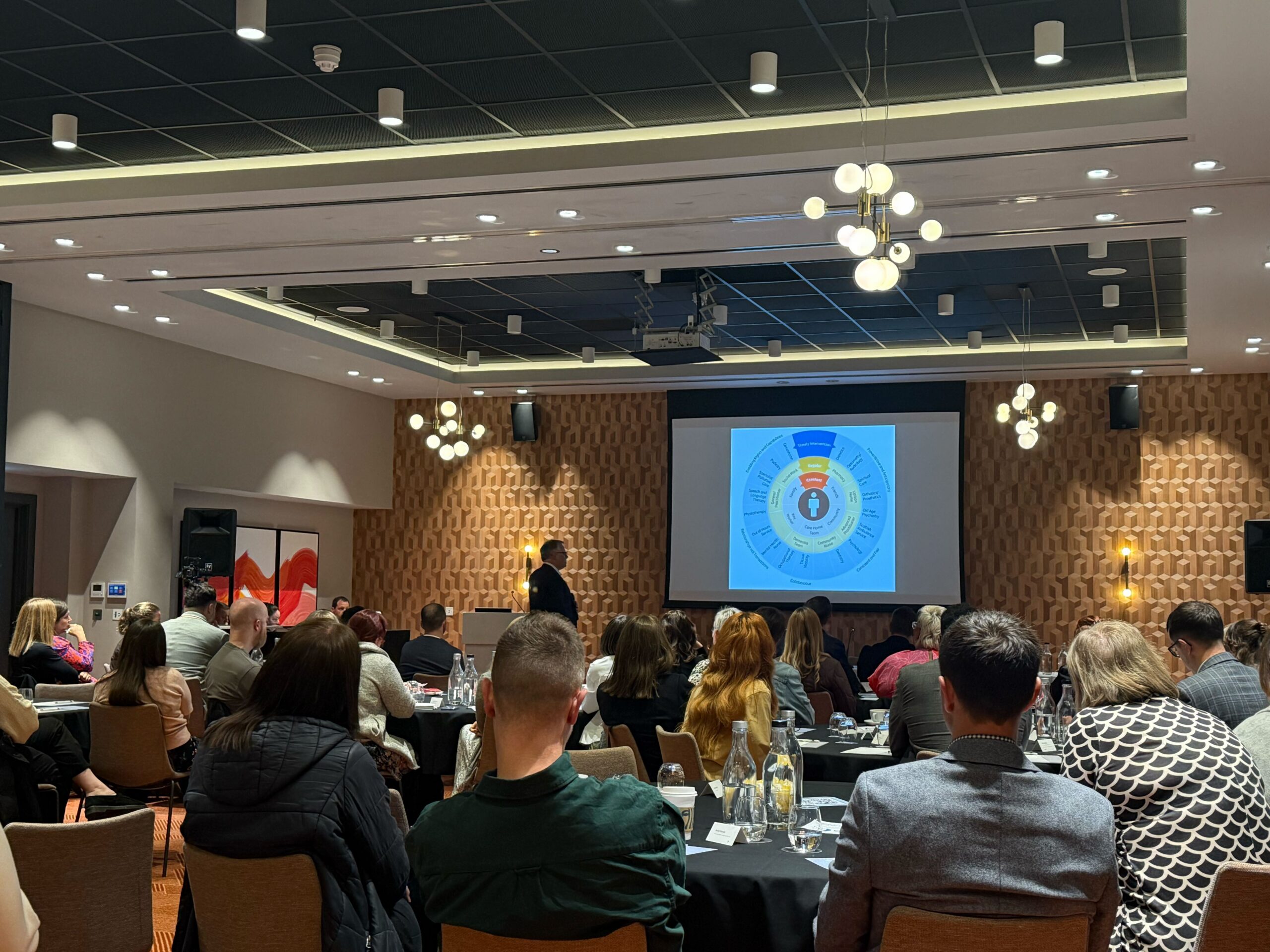
The OMS Clinical Readiness Summit
To explore and evaluate the readiness question, OMS brought together healthcare and academic leaders across healthcare professions to join in meaningful discussions around clinical readiness in healthcare education and training.
The limitations around both implementing and effectively assessing clinical readiness, particularly in graduating and new healthcare professionals, is a global issue, and has been exacerbated by the workforce shortage in the United Kingdom.
Clinical readiness is key to safe practice, avoiding errors, and maintaining patient safety. Ensuring alignment and a clear understanding of how this is developed, measured, and assessed is critical for best practice and an evidence-based approach.
The Summit provided both structured and open communication for a blended approach to the day – shifting from keynote speakers and panel discussions to small group discussions where attendees could connect, collaborate, and ideate on the key themes of the day.
Key themes from the Readiness Summit
While conversations flowed and covered a range of topics, a few key themes emerged from the day:
- The widening gap between education and workforce reality
- Placement capacity and the pressure on clinical learning
- Technology adoption – appetite, barriers, and what’s already working
- Doing more with less: making the case for smarter investment
These topics led the day as many in the room have been integrally involved in or are acutely aware of the issues and barriers to facilitating clinical readiness, particularly as it relates to nursing.
Each topic was well-known and understood by all in attendance, with panel discussions and table talks touching on the growing scope of practice, with key competencies remaining unchanged and new areas of practice emerging simultaneously.
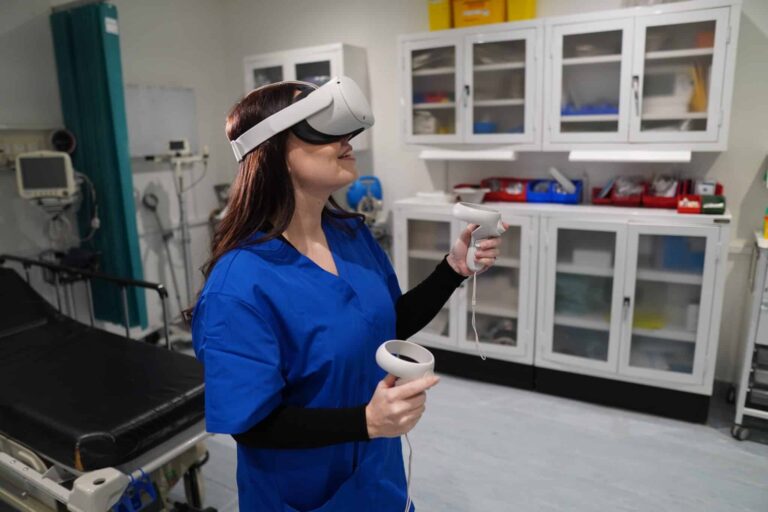
These growing expectations on practice place more pressure on the clinical learning taking place pre-practice, but with limited placement capacity, many academic leaders are looking to simulation and technology adoption to support doing more with the less – the unfortunate but clear reality for many nursing programmes around the United Kingdom.
Continuing conversations – Highlight of the Summit
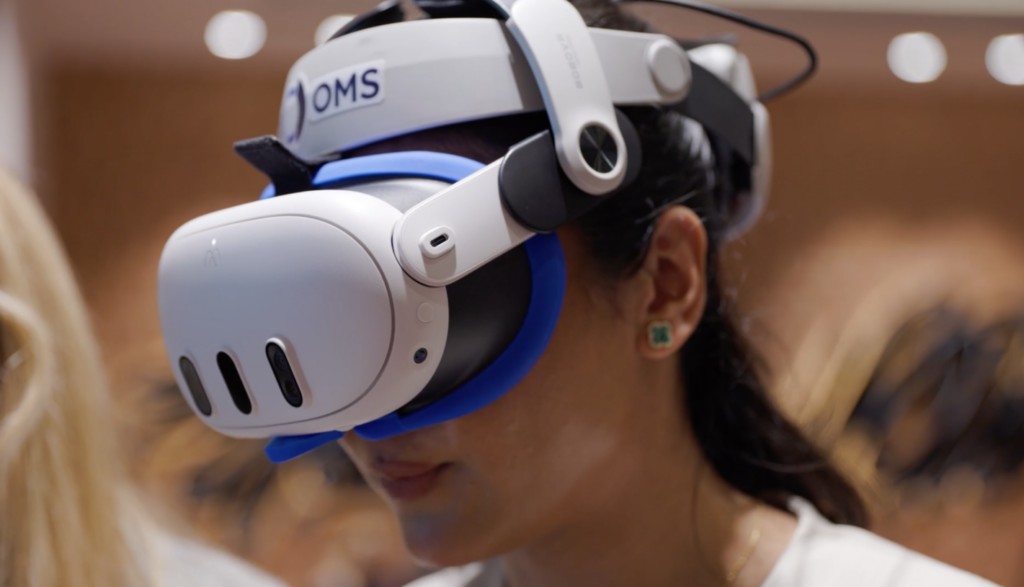
Each panel discussion provided time for small breakout group discussions to elaborate and expand on topics discussed in panels.
These conversations were repeatedly lively and were a true highlight of the day to see the content of these talks resonate with attendees, leading to such meaningful and open conversations around the room.
Experts across fields were able to connect and share ideas, perspectives, and solutions, taking away key points not just from the day, but also staying in contact after the Summit to continue the conversations.
What this means for the future of healthcare education and training
Clinical readiness is a nuanced, multi-faceted topic that requires continued discussion to identify optimal approaches to develop, measure, and assess – across healthcare professions and practice levels.
Connection, shared ideas, and collaboration across fields and professions provides a unique opportunity for a wide range of perspectives to come together and join in the conversation around how best to tackle the barriers and obstacles that so many are facing.
We were thrilled to see the excitement and engagement throughout the day, underscoring the importance of coming together to have conversations around how we all can support clinical readiness from novice learning through advanced practice.
Want to learn about how to get involved at our next event? Sign up to receive emails from us here.

Ready to get real?
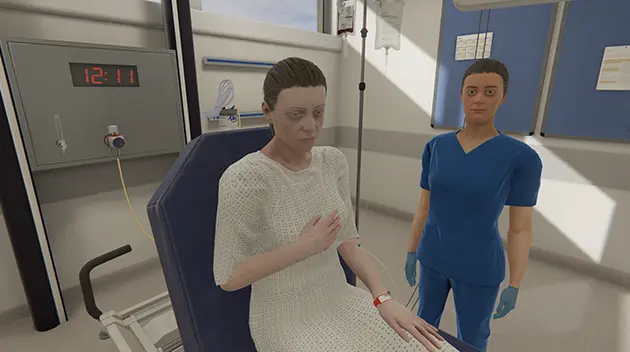
See how OMS can help your organization build confidence, competence, and clinical readiness for today’s healthcare.

